Growth Through Systems, Not Manual Labor
Why we treat marketing, automation, and custom AI as one operating model, and what compounds over time when these disciplines share the same foundation.
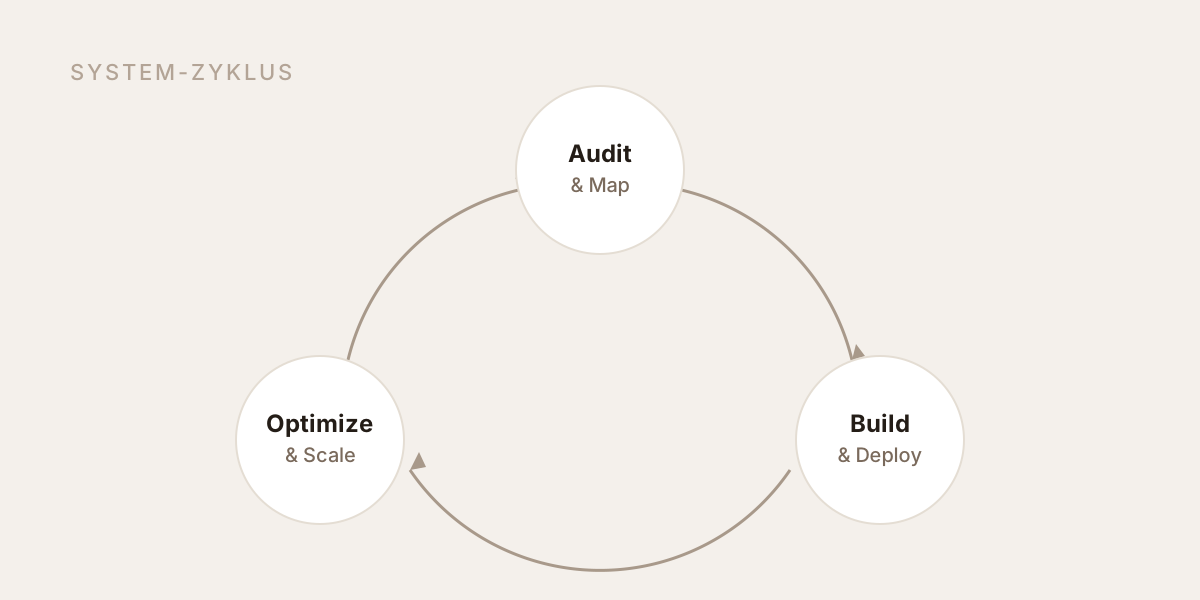
Most growth problems aren't strategy problems. They're execution problems. The plan is sound, it just dies in the gap between teams: strategy hands off to build, build hands off to operations, and the feedback loop that should sharpen everything never closes.
We build the opposite: an operating model in which acquisition, automation, and custom AI run together.
What "systems instead of manual labor" actually means
A system is anything that delivers an outcome without someone having to remember it. The test is simple:
- If it breaks the moment one person goes on holiday, it's manual labor.
- If it keeps running and speaks up when it needs attention, it's a system.
The goal isn't to replace people. It's to move them from working through the volume to handling the exceptions, the only place where human judgment truly counts.
A concrete example
Lead routing is a good first target: high volume, low ambiguity.
// Enrich, score, route — no human touches the happy path.
async function routeLead(lead: InboundLead) {
  const enriched = await enrich(lead);
  const score = scoreFit(enriched);

  if (score > 0.8) return assignTo("senior", enriched);
  if (score > 0.4) return assignTo("nurture", enriched);
  return flagForReview(enriched); // the exception path stays human
}
Everything above flagForReview runs untouched. Everything below it is exactly where a
human should be looking.
What compounds
When the three disciplines share one model, improvements stack instead of cancelling each other out:
| Discipline | Manual labor | System mode |
|---|---|---|
| Acquisition | Campaigns run by hand | Structured, continuously optimized |
| Automation | Scripts that rot | Monitored, self-reporting flows |
| Custom AI | Capped by off-the-shelf tools | Built where tools fall short |
That's the whole thesis: more operational clarity, faster feedback loops, less friction, and a system that's worth more every month instead of decaying.
Where is your process still manual? Book an intro call.
About the author
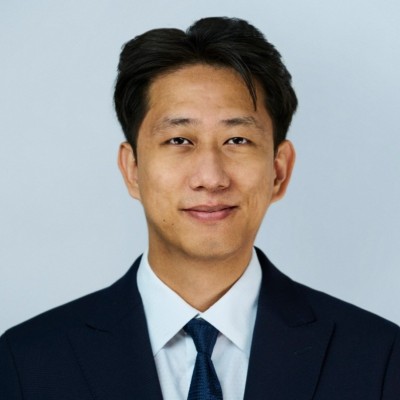
Tenzin Langdun
AI Expert & Marketing Lead at Hierarchy
Tenzin is an AI expert and marketing lead with an MSc in Artificial Intelligence from the University of Bath and over 10 years of marketing experience across strategy, paid acquisition, and SEO. He has held roles at leading organisations including KPMG, EY, Siemens, and Adnovum — with expertise in AI, cybersecurity, audit and consulting, and the insurance sector. Together with Martin Oswald, he co-authored an award-winning research paper on AI-based cancer detection, published in Nature and recognised with the National Siemens Excellence Award and the Lab Sciences Award.