SEO & AI visibility / industry: medical practices

SEO and GEO for medical practices

Anyone looking for a GP or a specialist increasingly asks ChatGPT, Gemini or Google AI Mode and gets an answer with a few names. We measured how that works for doctors: 64 AI answers from ophthalmology and aesthetic medicine, 343 mentions of practices and clinics. The ones that get named say clearly on their own website what they offer, which specialist title they hold and whether they accept new patients. We build your website, Google Business Profile and content so that your practice is found and cited, factually and within the FMH rules. A physician advises us along the way. For GP practices, specialists and group practices in Zurich and across Switzerland.

after the intro call
Individual quote
Strategy and delivery from one team in Zürich
4 people
in the scope of work
6 building blocks
in the process
4 steps

Starting point

The problem: the practice is good, but there is almost nothing about it online

«Dermatologe Zürich» is searched around 3,600 times a month on Google, «Augenarzt Zürich» 2,400 times, «Orthopäde Zürich» 1,900 times, «Frauenarzt Zürich» 1,600 times and «Hausarzt Zürich» 1,300 times. On top come all those who put their question straight to an AI assistant. Many practice websites do not answer these questions: there is a page with an address and the team, but not a single sentence on whether new patients are accepted, how quickly an appointment is possible, what to do in an emergency or whether a referral is needed. What is not on the page can be repeated neither by Google nor by an assistant. Ads are not a cheap shortcut: Google estimates a click on «Augenarzt Zürich» at around USD 16 and on «Dermatologe Zürich» at around USD 10, and the visibility ends with the budget.

What we do

What we do for your practice

  1. 01

    Analysis: website, Google profile and AI answers

    We ask ChatGPT, Gemini, Claude and Google AI Mode the questions your patients ask, for your location and your specialty. You see which practices get named, with which reasoning and from which sources, and what your website lacks by comparison.

  2. 02

    A website that answers patients' questions

    Consultation hours, acceptance of new patients, emergency arrangements, referrals, GP and telemedicine insurance models, team with specialist titles and areas of focus, languages, location: all as full sentences that can be read and quoted. We implement everything ourselves, your webmaster does not have to do anything. If the existing website is technically outdated, we can rebuild it on request, optimised for SEO and GEO from the start.

  3. 03

    One page per complaint and treatment

    In a GP practice that might be check-ups, vaccinations and chronic conditions, in dermatology skin cancer screening, in ophthalmology cataracts. One page each, with symptoms, assessment, procedure, risks, aftercare and cost coverage. Subpages like these are exactly the pages AI assistants open for specialist questions. The medical sign-off stays with you.

  4. 04

    Technology and structured data

    Physician and MedicalClinic schema, FAQ markup, load time, indexing and internal linking. Plus Google Analytics 4, Search Console and Tag Manager, so that you can see which pages bring appointment requests.

  5. 05

    Google Business Profile and portals

    Google AI Mode relies heavily on Maps for local questions: for ophthalmologists, two out of three of its sources were Google or portals, and OneDoc appeared in 10 of 32 answers. We complete categories, services, hours and photos and keep your details consistent across all platforms.

  6. 06

    Factual and within the professional rules

    No superlatives, no comparisons with colleagues, no patient testimonials on the website and no soliciting of reviews. The FMH annex on information and advertising requires this. A practical point: what it expressly allows, such as qualifications, languages, consultation hours and the acceptance of new patients, is also what AI assistants quote.

How it runs

How we proceed for your practice

  1. 01

    Analysis and AI check

    We log what the assistants say today about doctors in your specialty and region, and review your website, Google profile and portals.

  2. 02

    Homepage and structure

    The homepage gets the details that get quoted: acceptance of new patients, consultation hours, emergencies, team, areas of focus, location. Plus a site structure with one page per complaint and treatment.

  3. 03

    Content, technology, profile

    We write the pages, you give them medical sign-off. Then we set the structured data and complete the Business Profile and platforms.

  4. 04

    Measure and expand

    The same patient questions to the assistants every month, with rankings and appointment requests alongside. What works, we expand.

Data on medical practices

AI names very different practices depending on the question

In November 2026 we asked ChatGPT, Claude, Gemini and Google AI Mode eight questions each about ophthalmologists and aesthetic medicine, phrased the way patients ask them. For ophthalmologists, the University Hospital and large centres dominate specialist questions. On the short-notice appointment question, however, 7 of 24 mentions go to individual practices, and the most common reason given is that the practice accepts new patients. 63 percent of the cited sources are websites of practices and clinics, seven out of ten of them subpages on individual topics. In aesthetic medicine, 27 of 32 answers bring up the specialist, 19 explicitly the FMH title. For your specialty and your location, we measure this up front.

AI answers about doctors and clinics
64
mentions of practices and clinics
343
of sources for ophthalmologists are websites of practices and clinics
63%

Who you work with

An SEO expert and a physician at one table

For medical practices we work with someone who knows the consultation room from the inside. That is why we understand how patients ask about symptoms, treatments or a short-notice appointment, and which statements hold up medically.

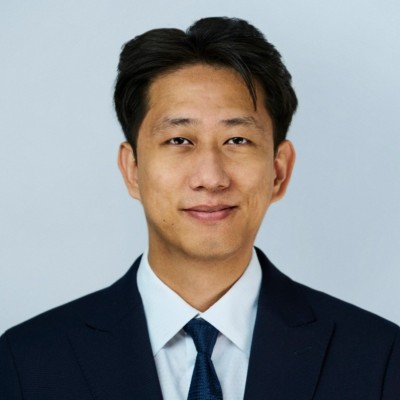
Tenzin Langdun

Tenzin Langdun

Expert · Co-founder, SEO & GEO

Leads SEO and GEO at Hierarchy and runs our data studies, including the Zurich AI Visibility Study of 1,515 AI answers about 5,110 companies. MSc in Artificial Intelligence from the University of Bath. His research on AI-based cancer detection was published in Scientific Reports (Nature Portfolio).

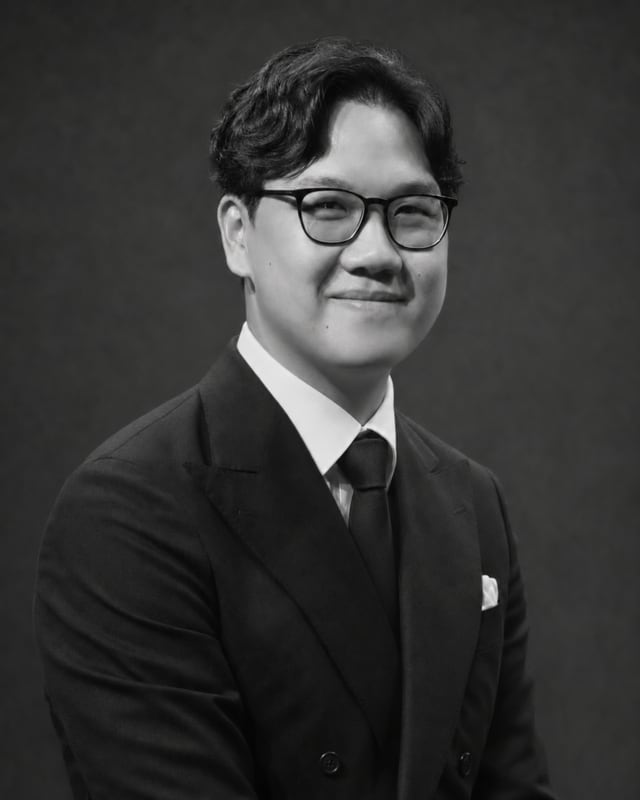
Yan Yu

Yan Yu

Medical Advisor · Healthcare, Clinical & Practice

Physician with a Master of Medicine from the University of Zurich. He researches AI-based analysis of retinal vessels and advises us on medical, clinical and practice questions.

What changes

What you get out of it

  1. 01

    Found for the questions patients ask: a new GP, a short-notice appointment, emergencies, individual complaints and treatments, referrals.

  2. 02

    A website from which Google and AI assistants can describe your practice correctly.

  3. 03

    Fewer phone calls about standard questions, because the admissions freeze, referral and cost coverage are already on the website.

  4. 04

    Content that stays factual and fits the FMH rules.

  5. 05

    A report that shows you every month whether ChatGPT, Gemini and Google AI Mode name your practice, alongside rankings and enquiries.

Questions

Frequently asked questions about SEO & GEO for Medical Practices

Anything else? Write to info@hierarchy.ch

What do SEO and GEO mean for a medical practice?

SEO makes sure your practice appears on Google when someone searches for «Hausarzt Winterthur» or «Dermatologe Zürich». GEO (Generative Engine Optimization) makes sure ChatGPT, Gemini and Google AI Mode name your practice in their answer. The basis is the same: a website that can be read and answers patients' questions in full sentences.

Do ChatGPT and Gemini actually recommend doctors?

Yes. In our measurements of November 2026 on ophthalmologists and aesthetic medicine, the assistants named a specific practice, clinic or doctor 343 times in 64 answers. Many answers point out that they cannot give an objective ranking, but still name options with reasons.

Do these figures apply to our specialty too?

The measurements come from ophthalmology and aesthetic medicine, and we have not yet published our own for GPs or other specialties. That is why we start every project with a measurement for your specialty and your location, so you see your own figures before we work on content.

Does a single practice stand a chance next to hospitals and large centres?

For general and short-notice questions, yes. For ophthalmologists, 7 of 24 mentions on the short-notice appointment question went to individual practices, in Winterthur 17 of 25. For specialist questions, on the other hand, the hospital and centres dominated. A single practice therefore wins through clear details on appointments, acceptance of new patients, location and areas of focus.

What may a medical practice in Switzerland communicate online?

Under Art. 40 lit. d MedBG, advertising must be objective, meet the public's needs and must be neither misleading nor intrusive. FMH Annex 2 expressly allows details of qualifications, career, languages, consultation hours, the acceptance of new patients, services and memberships. Websites are permitted under these conditions. Cantonal medical societies may issue additional rules, and in case of doubt a legal review is worthwhile.

May we ask patients for Google reviews or put testimonials on the website?

For FMH members, no. Annex 2 lists information that includes «Empfehlungen etc. von Patienten» (recommendations etc. from patients) as inadmissible, and patients must not be influenced to obtain reviews. That is why we do not offer doctors review management or patient testimonials on the website. The assistants read existing reviews on Google and OneDoc themselves anyway.

May we name medical devices or medicines by brand?

Caution is needed here. Under Art. 69 para. 3 MedDO, medical devices intended exclusively for use by healthcare professionals must not be advertised to the public, and advertising to the public is inadmissible for prescription-only medicines. We therefore describe the method and the treatment, not the product, and clarify borderline cases with you before publication.

Who is responsible for the medical content?

You are. We research, write and structure, and the medical sign-off of every page stays with the practice. Our medical adviser Yan Yu helps us understand questions and processes from the consulting room's point of view. He does not replace your professional review.

Should we put prices for self-pay services on the website?

In our measurement, ChatGPT, Claude and Gemini named concrete franc amounts for the laser eye surgery question, mostly straight from clinic websites. Anyone who gives no price range for services patients pay for themselves is missing from that comparison. Factual price information is one thing, discount and free promotions another: we leave such promotions out.

Why Hierarchy and not a large SEO agency?

Because we measured what AI assistants say about doctors and clinics, do the work ourselves and have a physician as adviser. Four people in Zurich, one contact person, and AI visibility is part of the work from the start.

Does our webmaster have to implement anything, or do we need a new website?

Your webmaster does not have to do anything. We write, structure and publish all changes ourselves. If the website is technically outdated, we can rebuild it on request, with a redirect plan so that existing rankings are kept.

Does our practice have to sign up for a fixed term?

No. The service has no minimum term and can be cancelled at any time. Website content, the Google Business Profile and measurement data belong to the practice and stay with you.

Does this work outside Zurich too?

Yes. «Hausarzt Winterthur» and «Hausarzt Bern» are each searched around 1,000 times a month, «Hausarzt Basel» 880 times and «Hausarzt Luzern» 720 times. We first measure, with the questions for your location, who is named today, and align the content accordingly.
Free, no commitment

See first whether ChatGPT names your practice

The free AI visibility check asks ChatGPT, Gemini and Google AI Mode the questions patients ask and shows whether your practice is named, with which reasoning, and which practices appear instead. You receive the report by email, with no account, no credit card and no newsletter.

Tenzin Langdun

About the author

Co-Founder of Hierarchy · SEO, GEO & AI Expert

Tenzin Langdun is a co-founder of Hierarchy, where he leads SEO and GEO: how visible companies are in Google, in Google's AI answers and in assistants such as ChatGPT, Gemini and Claude. He also leads the agency's own data studies, including the Zurich AI Visibility Study of 1,515 AI answers about 5,110 companies. He brings over 10 years of marketing experience across strategy, paid acquisition and SEO, and has worked at KPMG, EY, Siemens, Adnovum and LGT, in AI, cybersecurity, audit and consulting, and in software engineering for the insurance sector and for banking and finance. He holds a BSc from ZHAW and an MSc in Artificial Intelligence from the University of Bath. His research on AI-based thyroid cancer detection was published in Scientific Reports (Nature Portfolio) in 2024 and won the Siemens Excellence Award 2024 and the ZHAW Lab Sciences Award 2024.